Dark Data in Research: 5 Hidden Facts Scientists Often Overlook
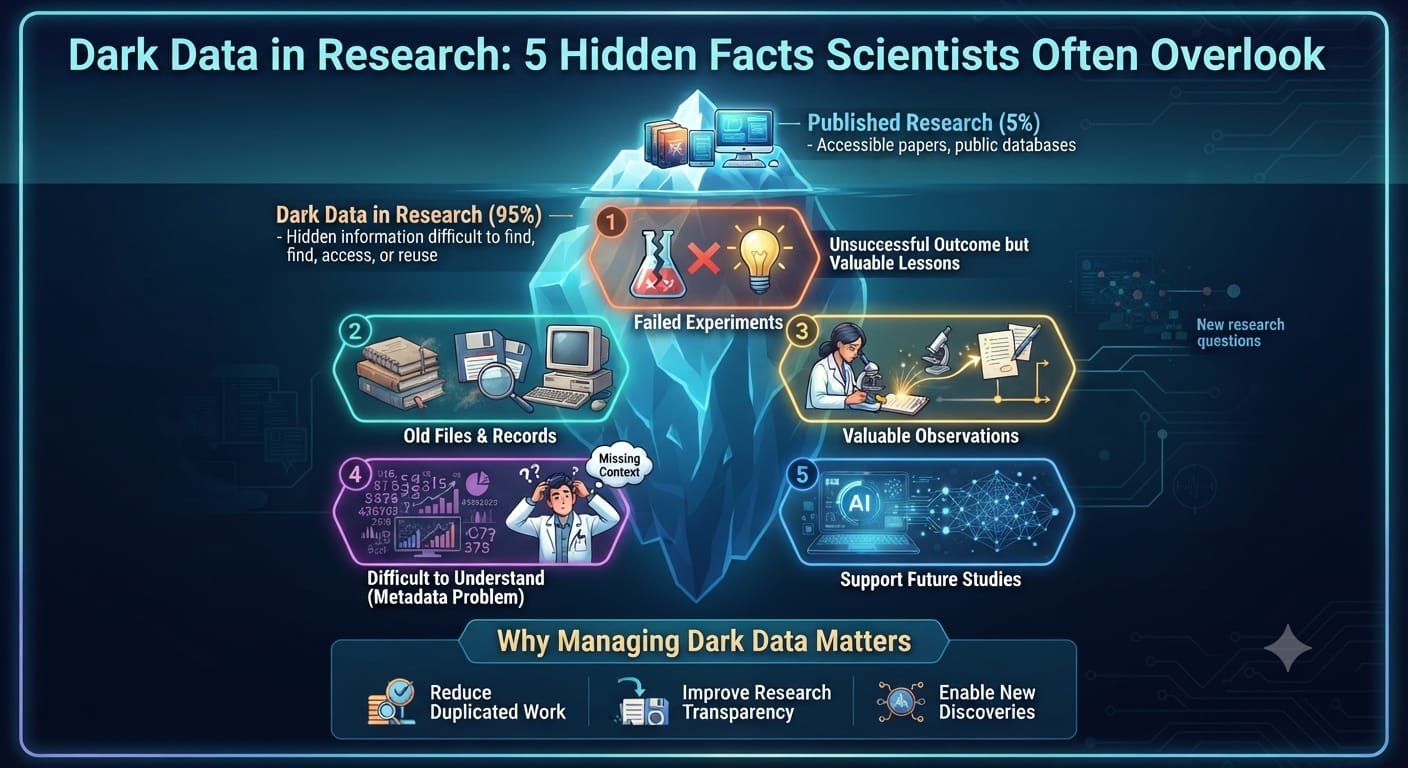
Research creates huge amounts of information every day. However, not all of that information reaches a published paper or public database. Dark Data in Research refers to valuable information that exists but is difficult to find, access, understand, or reuse. This hidden research data can include failed experiments, unused observations, old records, laboratory notes, and incomplete datasets. Understanding Dark Data in Research can help scientists improve research quality and discover information that might otherwise remain forgotten.
Table of Contents
- What Is Dark Data in Research?
- 5 Hidden Facts About Dark Data in Research
- Why Dark Data Matters
- How Researchers Can Manage Hidden Data
- The Future of Dark Data in Research
- FAQs
- Conclusion
What Is Dark Data in Research?
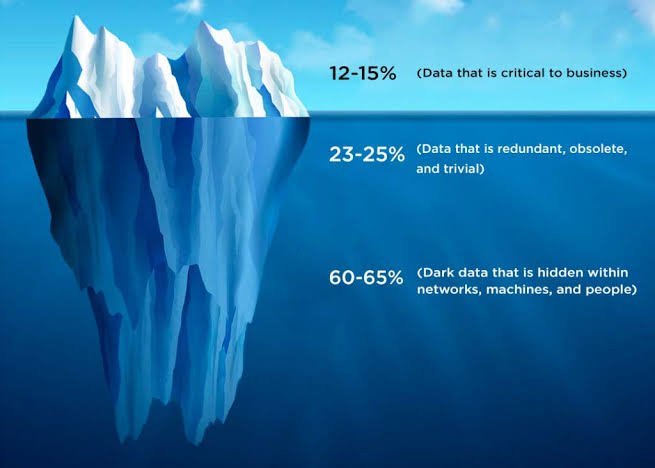
Dark Data in Research is information that has been collected or created during research but is not easily available for further use. The data may exist on laboratory computers, personal storage devices, old databases, research notebooks, or unpublished project files.
Some dark data is never published because an experiment does not produce the expected result. Other information may be difficult to organize or lack enough documentation.
For example, a research team may collect thousands of measurements during an experiment. Only a small part may appear in the final research paper. The remaining information can become hidden research data.
Dark Data in Scientific Research
Dark data is not necessarily useless data. In many cases, it may contain useful observations that can support future research.
Researchers may overlook this information because of limited storage, poor documentation, privacy concerns, technical problems, or a lack of time.
This makes Dark Data in Research an important topic for modern research data management.
5 Hidden Facts About Dark Data in Research
1. Dark Data in Research Can Include Failed Experiments
One important fact about Dark Data in Research is that it can include results from experiments that did not produce the expected outcome.

Researchers usually focus on successful findings when preparing scientific papers. However, failed experiments can also contain useful information.
A failed experiment may show that a particular method does not work under certain conditions. This can save other researchers from repeating the same mistake.
2. Dark Data in Research Can Hide in Old Files
Research data does not always disappear. Sometimes it simply becomes difficult to locate.
Old spreadsheets, laboratory records, paper notes, hard drives, and outdated databases may contain information that is rarely accessed.
The problem can become larger when researchers change institutions or software systems. Data can remain behind without clear documentation.
Good research data management can reduce this problem by organizing files and recording important information about how the data was created.
3. Dark Data in Research May Contain Valuable Observations
Not every useful observation becomes part of a published study.
A research project may collect information that was not directly related to its original research question. Years later, another scientist may find that information useful for a completely different study.
This is one reason researchers are becoming more interested in data sharing and better data preservation.
4. Dark Data in Research Can Be Difficult to Understand
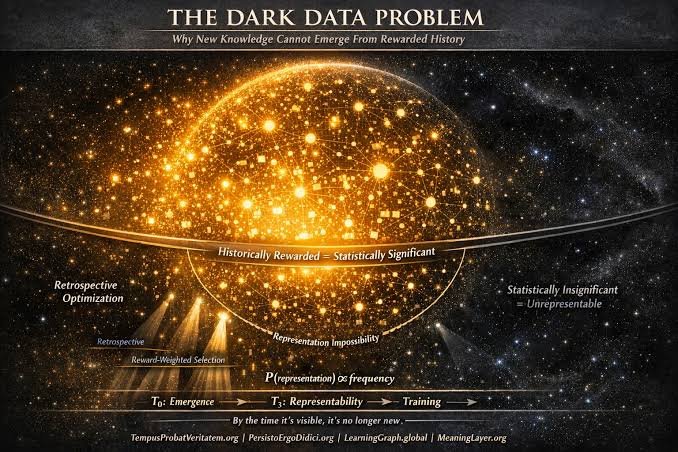
Having a dataset is not enough. Researchers also need to understand what the information means.
Imagine finding an old spreadsheet with thousands of numbers but no explanation of the columns, measurement units, dates, or collection methods.
The data technically exists, but it is difficult to reuse.
This shows why Dark Data in Research is also a documentation problem. Clear metadata can make old research data much more useful.
Why Metadata Matters
Metadata provides important details about a dataset. It can explain where the data came from, how it was collected, what the variables mean, and when the information was created.
Without this context, even a large dataset may have limited value for future research.
5. Dark Data in Research Can Support Future Studies
Hidden research data may become valuable when new technologies and research methods appear.
Artificial intelligence is one example. Modern AI systems can analyze large datasets and identify patterns that were difficult to detect with older methods.
A dataset that seemed less useful years ago may become valuable when researchers have better analytical tools.
Why Dark Data in Research Matters
Dark Data in Research matters because scientific knowledge does not come only from published results.
Unpublished observations, negative results, unused measurements, and historical records can provide additional context.
Better access to this information may help researchers reduce duplicated work, improve research transparency, identify new research questions, compare older and newer findings, and improve data preservation.
The value depends on the quality and context of the data. Poorly documented information may still be difficult to use.
Examples of Dark Data in Research
Dark data can appear in many research environments.
| Type of Hidden Data | Example | Potential Value |
|---|---|---|
| Failed experiments | Results that did not support the hypothesis | Helps avoid repeated mistakes |
| Unused observations | Measurements outside the main study | May support future questions |
| Old datasets | Historical research files | Useful for comparisons |
| Laboratory notes | Experimental conditions and observations | Provides research context |
| Incomplete datasets | Partially collected information | May become useful with additional data |
This table shows why researchers should think about data beyond the final published paper.
Where Hidden Research Data Can Appear
The following chart is illustrative only. It shows examples of places where hidden research information may appear. The values are not measured statistics.
The purpose of this visualization is to show the different forms dark data can take, rather than suggest that one source contains more data than another.
How Researchers Can Manage Dark Data in Research
Better Documentation
Researchers should record what a dataset contains, when it was created, how it was collected, and what each variable means.
Good documentation makes data easier to understand years later.
Organized Storage
Research files should be stored using clear folder structures and consistent file names.
Important datasets should also have appropriate backups. This reduces the chance of valuable information becoming inaccessible.
Useful Metadata
Metadata provides information about data. It can explain the source, format, dates, methods, units, and other important details.
Without metadata, even a large dataset may have limited practical value.
Responsible Data Sharing
Not every dataset can be made public. Some information may contain sensitive, private, or restricted material.
However, when sharing is appropriate, researchers can make useful datasets easier for other scientists to discover and reuse.
The Future of Dark Data in Research
Technology may change how researchers deal with Dark Data in Research.
Artificial intelligence, improved storage systems, automated metadata generation, and better research repositories can make hidden information easier to organize and analyze.
AI may also help researchers search large collections of documents and datasets. This could make it easier to identify connections between old research and new questions.
However, technology alone cannot solve every problem. Researchers still need good documentation, responsible data practices, and appropriate privacy protections.
Frequently Asked Questions About Dark Data in Research
What is Dark Data in Research?
Dark Data in Research is research information that has been collected or created but is not easily available, accessible, or reused. It can include unpublished results, old datasets, laboratory notes, and unused observations.
Why is Dark Data in Research important?
Dark Data in Research can contain useful information that may support future studies. It can also help researchers understand failed experiments and reduce unnecessary duplication of work.
What are some examples of dark data?
Examples include failed experiments, unused measurements, old research files, laboratory notes, incomplete datasets, and information stored in outdated systems.
Can AI help researchers use dark data?
Yes. AI can help researchers organize, search, classify, and analyze large collections of information. However, researchers still need to check data quality, context, privacy, and accuracy.
How can researchers reduce dark data?
Researchers can reduce hidden data problems by using organized storage, clear file names, detailed documentation, useful metadata, regular backups, and responsible data-sharing practices.
Conclusion
Dark Data in Research is an important part of the modern research environment. Valuable information can remain hidden in old files, failed experiments, unused observations, and poorly documented datasets.
Better research data management can make this information easier to understand and reuse. New technologies such as AI may also help researchers discover useful patterns in large collections of hidden data.
The future of research is not only about collecting new information. It is also about making better use of the valuable data that already exists.