Origin of Life: 7 Amazing Clues About Earth’s Mysterious Beginning
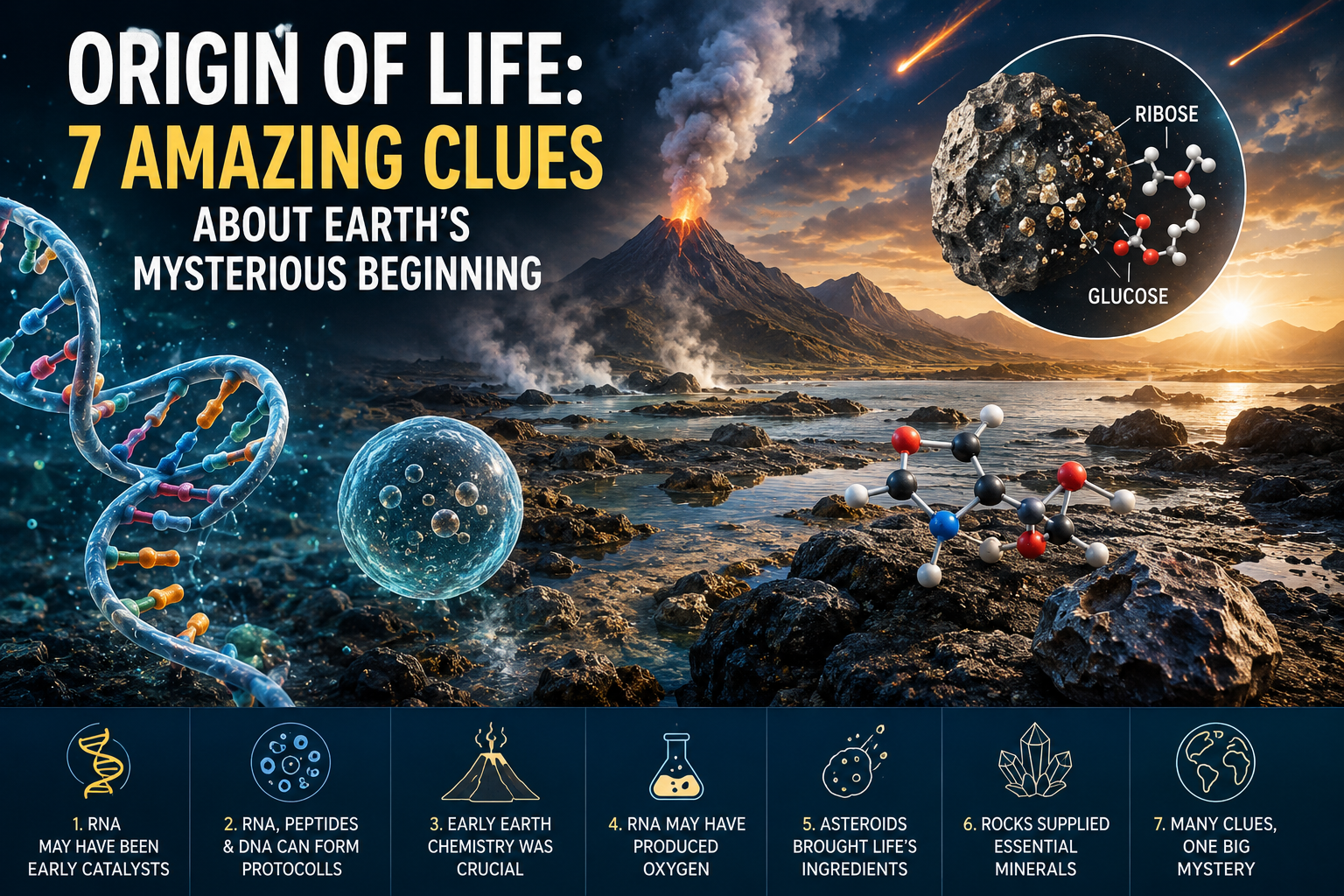
The Origin of Life remains one of science’s biggest mysteries. Scientists still do not know exactly how the first living systems appeared on Earth. However, important clues have been discovered through research on RNA, minerals, early Earth chemistry, and simple organic molecules. In 2026, several studies have added new evidence to this field. Together, these findings are helping scientists understand how non-living chemistry may have gradually moved toward the first forms of life.
Table of Contents
- What Is the Origin of Life?
- RNA and the Origin of Life
- Can RNA and DNA Work Together?
- Early Earth Chemistry
- Could RNA Have Helped Produce Oxygen?
- Where Did Life’s Ingredients Come From?
- Rocks and the Origin of Life
- What Do These Discoveries Mean?
- What Scientists Still Do Not Know
- Frequently Asked Questions
- Conclusion
What Is the Origin of Life?
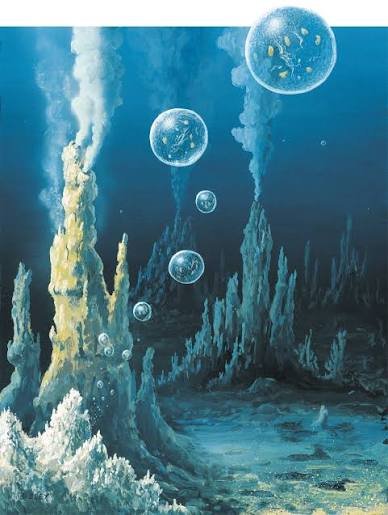
The Origin of Life describes the scientific question of how the first living systems developed from non-living matter.
Earth formed about 4.56 billion years ago. At that time, the planet was very different from today. Oceans, volcanic environments, minerals, gases, and chemical reactions were present.
Scientists believe that simple molecules may have interacted under early Earth conditions. Over a very long period, increasingly complex chemical systems may have been produced.
Eventually, some systems may have gained the ability to store information, perform chemical reactions, and reproduce.
However, the exact sequence of these events is still unknown.
RNA and the Origin of Life
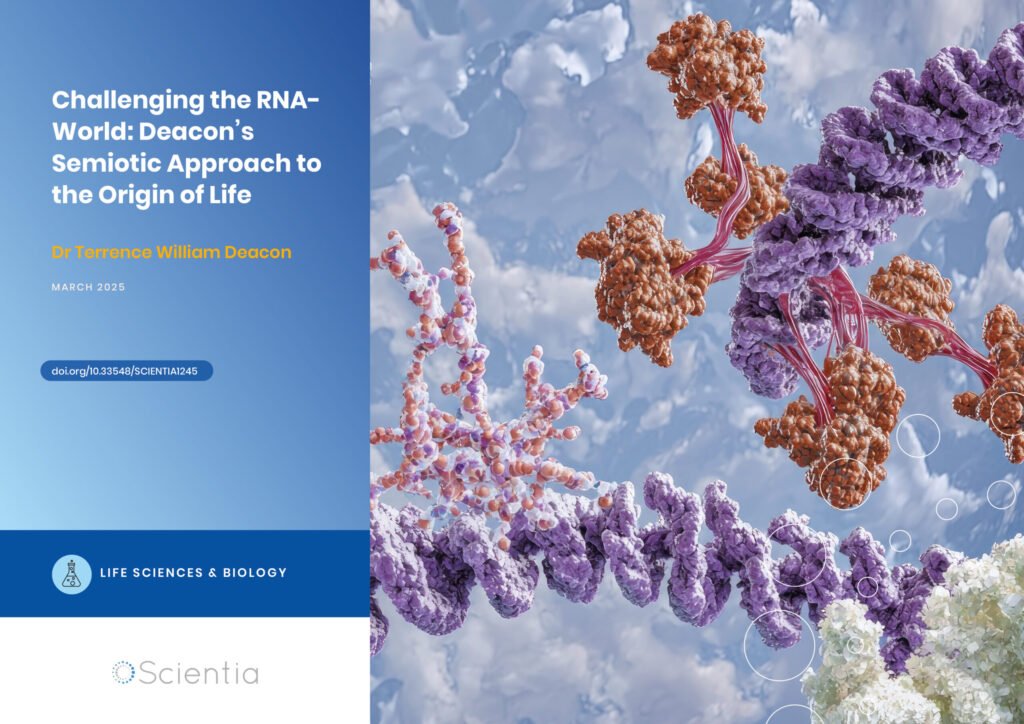
RNA has long been considered an important candidate in Origin of Life research.
The reason is simple. RNA can store genetic information. It can also act as a catalyst for certain chemical reactions.
This combination is unusual. Modern cells use DNA mainly for information storage and proteins for most catalytic functions. RNA can perform parts of both roles.
Therefore, the idea of an early RNA world has been widely investigated.
In 2026, researchers reported a ribozyme ligase with a previously unrecognized type of catalytic activity. The study showed that the ribozyme could join RNA molecules under particular chemical conditions. The researchers suggested that related reactions could have been relevant to RNA repair in primordial systems.
This does not prove that the first life began with RNA. However, it provides another example of how versatile RNA chemistry can be.
Why RNA Is Important
RNA can be folded into complex structures. These structures can create active sites where chemical reactions are encouraged.
Therefore, RNA may have been more than an information carrier in early life.
It may also have helped primitive chemical systems perform useful reactions before modern protein enzymes had evolved.
This possibility remains an important part of early Earth origin of life research.
Can RNA and DNA Work Together?
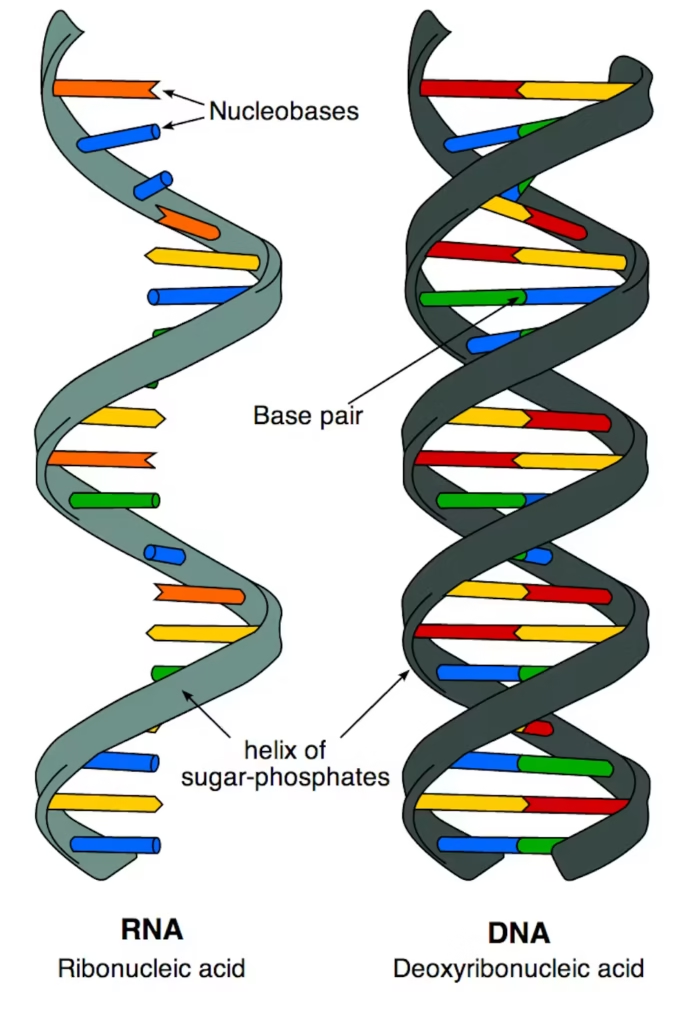
Another interesting development in 2026 involved RNA, peptides, and DNA.
A study discussed in Nature Chemical Biology showed that mixtures of RNA, peptides, and DNA can form structures called coacervate protocells. These structures can concentrate molecules and support chemical interactions.
This is important because early life may not have appeared through one molecule acting alone.
Instead, several types of molecules may have worked together.
The research therefore provides support for a more cooperative model of the Origin of Life.
A More Complex Beginning
The traditional RNA-world idea places strong emphasis on RNA.
However, real early Earth chemistry may have been more complicated.
RNA, short peptides, DNA-related molecules, minerals, water, and other compounds could have interacted in the same environment.
If these interactions helped molecules become more stable or more reactive, primitive protocells could have become possible.
The exact pathway is still being investigated.
Early Earth Chemistry and the Origin of Life
The chemical environment of early Earth is another major part of Origin of Life research.
A 2026 review examined redox chemistry and several environments that could have supported prebiotic reactions. These included hydrothermal systems, volcanic lakes, hot springs, and geyser-like environments.
Different environments would have provided different temperatures, minerals, energy sources, and chemical conditions.
Therefore, life may not have needed one perfect location.
Instead, important reactions could have occurred in several environments and later been connected through geological processes.
Why Redox Reactions Matter
Redox reactions involve the transfer of electrons between chemical substances.
These reactions are important because they can provide energy and help create new molecules.
According to the 2026 review, redox chemistry was likely important across several proposed pathways for the emergence of life.
This makes prebiotic chemistry an important area for researchers who are trying to understand Earth’s earliest biological systems.
Could RNA Have Helped Produce Oxygen?
One surprising 2026 finding involved RNA and iron.
Researchers reported that some RNA molecules can interact with ferrous iron and catalyze a reaction that produces oxygen from hydrogen peroxide under oxygen-free conditions.
Modern Earth’s atmosphere contains abundant oxygen. However, early Earth was largely anoxic.
Therefore, the finding is interesting because it shows that RNA may have had chemical abilities beyond information storage and RNA copying.
The researchers suggested that RNA–iron complexes could have helped primitive systems manage reactive oxygen compounds before protein enzymes evolved.
This does not mean that RNA created Earth’s oxygen-rich atmosphere. Instead, it demonstrates a potentially useful chemical reaction that could have occurred under early Earth-like conditions.
Where Did Life’s Ingredients Come From?
Another major question is where the chemical ingredients for life came from.
Some organic compounds may have been produced on Earth. However, materials may also have arrived from space.
Research on asteroid Bennu has provided an important clue.
Scientists analyzing a sample returned by NASA’s OSIRIS-REx mission identified several bio-essential sugars, including ribose and glucose. Ribose is particularly interesting because it is the sugar used in RNA.
The finding adds to previous evidence that carbon-rich asteroids can contain important organic ingredients.
Space and the Origin of Life
The presence of life-related molecules in an asteroid does not mean that life was found there.
Instead, it suggests that some ingredients needed by early chemistry may have been available in space and could have been delivered to young planets.
This possibility is being investigated as part of Origin of Life and astrobiology research.
Rocks and the Origin of Life
Minerals may also have played a major role.
In July 2026, researchers studied mafic and ultramafic igneous rocks as potential sources of reactive phosphorus for the Origin of Life. Phosphorus is important in biological molecules, including nucleic acids and energy-related compounds.
The study adds another piece to the question of how useful chemical ingredients could have become available on early Earth.
Minerals can provide surfaces where molecules become concentrated. They can also influence chemical reactions.
Therefore, rocks may have acted as more than passive parts of the early planet.
Seven Clues From 2026 Origin of Life Research
| Research clue | What was studied | Why it matters |
|---|---|---|
| RNA ligase activity | RNA ribozymes | Shows that RNA can perform additional catalytic reactions |
| RNA–peptide–DNA systems | Protocell-like structures | Suggests different biomolecules could cooperate |
| Early Earth redox chemistry | Ancient chemical environments | Helps identify possible settings for prebiotic reactions |
| RNA–iron chemistry | Oxygen-related reactions | Shows a possible early RNA-metal catalytic function |
| Bennu sugars | Ribose and glucose | Shows that important sugars can exist in asteroid material |
| Reactive phosphorus | Ancient igneous rocks | Explores possible mineral sources of phosphorus |
| Early Earth atmosphere | Hydrogen, methane and ammonia | Provides an alternative model for the chemical environment where life emerged |
The findings come from different research groups and should not be treated as one complete explanation. Instead, they provide separate pieces of evidence about the chemical conditions that may have supported early life.
2026 Origin of Life Research Timeline
The timeline is based on selected 2026 publications discussed above. It is intended to show how active the research area has been, rather than to measure scientific importance.
What Do These Discoveries Mean?
The biggest lesson from recent Origin of Life research is that there may not have been one simple step from chemistry to biology.
Instead, many small processes may have worked together.
RNA could have provided information storage and catalytic activity. Minerals could have concentrated molecules. Water and geological environments could have supplied chemical conditions. Meanwhile, organic compounds may have been produced both on Earth and in space.
Over time, these processes could have contributed to increasingly complex chemical systems.
However, this remains a scientific hypothesis rather than a complete explanation.
What Scientists Still Do Not Know
Despite the progress, the central mystery remains unsolved.
Scientists still do not know exactly where the first life began. It is also unclear which molecules appeared first and how the earliest self-replicating system was formed.
Another difficult question is how chemistry crossed the boundary between simple reactions and true biological evolution.
A 2026 study using information theory highlighted the difficulty of spontaneously assembling a functional protocell under plausible early-Earth conditions. The work emphasized that major informational and thermodynamic barriers still need to be understood.
Therefore, the Origin of Life remains an open scientific problem.
The Future of Origin of Life Research
Future research will likely combine laboratory experiments, computer models, geology, chemistry, biology, and astronomy.
Scientists can recreate some early Earth conditions in laboratories. They can also test how RNA, minerals, metals, and organic molecules interact.
At the same time, samples from asteroids and other planetary bodies can provide information about the chemical ingredients that were available in the early Solar System.
As more evidence is collected, competing theories can be tested more carefully.
The goal is not simply to find one interesting molecule. Instead, researchers are trying to understand how a complete chemical system could have become capable of reproduction and evolution.
Frequently Asked Questions
What is the Origin of Life?
The Origin of Life is the scientific study of how the first living systems developed from non-living chemical matter.
Why is RNA important in Origin of Life research?
RNA is important because it can store information and perform certain chemical reactions. This combination makes it a major candidate in theories about early life.
Did scientists discover life on asteroid Bennu?
No. Life was not discovered on Bennu. Researchers found several bio-essential sugars, including ribose and glucose, in material returned from the asteroid.
Could rocks have helped create life?
They may have helped. Minerals can concentrate molecules and influence chemical reactions. A 2026 study specifically examined igneous rocks as a possible source of reactive phosphorus.
Did RNA produce oxygen on early Earth?
A 2026 laboratory study showed that some RNA–iron complexes can catalyze oxygen production from hydrogen peroxide under oxygen-free conditions. This is a chemical finding, not evidence that RNA created Earth’s atmosphere.
Is the Origin of Life mystery solved?
No. Important clues are being discovered, but there is still no universally accepted explanation for how the first life emerged.
Conclusion
The Origin of Life remains one of the most fascinating questions in science. However, 2026 research has provided several valuable clues.
RNA has been shown to possess interesting catalytic abilities. RNA, peptides, and DNA can form protocell-like structures. Ancient rocks may have supplied important phosphorus. Meanwhile, asteroid Bennu has been found to contain bio-essential sugars.
Together, these findings suggest that the early Earth may have provided many of the ingredients and chemical environments needed for increasingly complex systems.
Nevertheless, the exact transition from non-living chemistry to the first life has not been explained. More experiments will therefore be needed.
The mystery remains open. Yet, each new discovery brings scientists closer to understanding how life may have begun on Earth.