Ancient DNA: 2 Million-Year-Old Amazing Clues to Earth’s Lost Life
Ancient DNA has opened a remarkable window into Earth’s distant past. Genetic material from around 2 million years ago was recovered from sediments in northern Greenland, allowing an ancient ecosystem to be reconstructed in extraordinary detail. More recently, new Ancient DNA research published in 2026 has shown that frozen animal remains and burrows can preserve environmental genetic records for hundreds of thousands of years. Together, these discoveries are changing how lost ecosystems and ancient species are studied.
Table of Contents
- What Is Ancient DNA?
- How Was 2 Million-Year-Old DNA Found?
- What Did Ancient DNA Reveal?
- Ancient DNA and Greenland’s Lost Ecosystem
- How Can Ancient DNA Survive for Millions of Years?
- What Was Discovered in 2026?
- How Ancient DNA Can Reconstruct Ecosystems
- Why Ancient DNA Research Matters
- What Scientists Still Do Not Know
- The Future of Ancient DNA Research
- Frequently Asked Questions
- Conclusion
What Is Ancient DNA?
Ancient DNA is genetic material that has survived from organisms that lived in the distant past. It can be recovered from bones, teeth, sediments, permafrost, soil, ice, and preserved biological material.
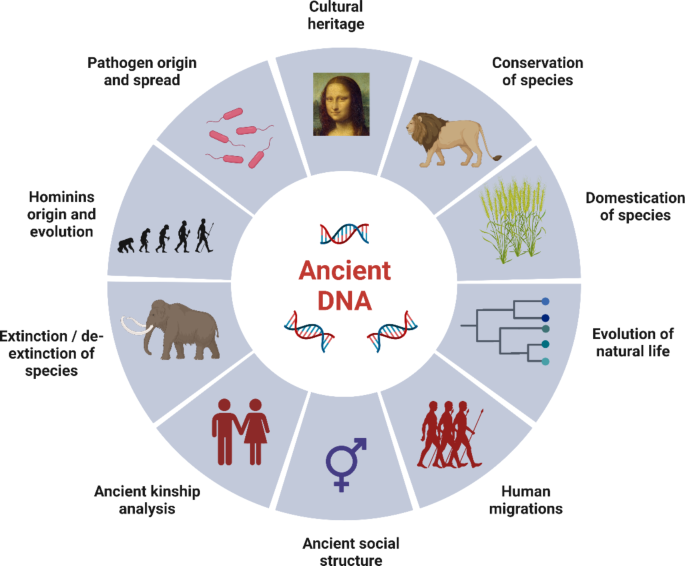
Normally, DNA is gradually broken down after an organism dies. Damage can be caused by water, oxygen, temperature changes, microorganisms, and chemical reactions. Therefore, the survival of genetic material over extremely long periods is considered unusual.
However, under cold and stable conditions, DNA fragments can sometimes be preserved for surprisingly long periods.
Modern sequencing technologies can then be used to identify these fragments. As a result, information about organisms that disappeared long ago can be reconstructed.
This has made Ancient DNA research an important tool in archaeology, evolutionary biology, ecology, and climate research.
How Was 2 Million-Year-Old DNA Found?
One of the most important discoveries in Ancient DNA research was made in northern Greenland.
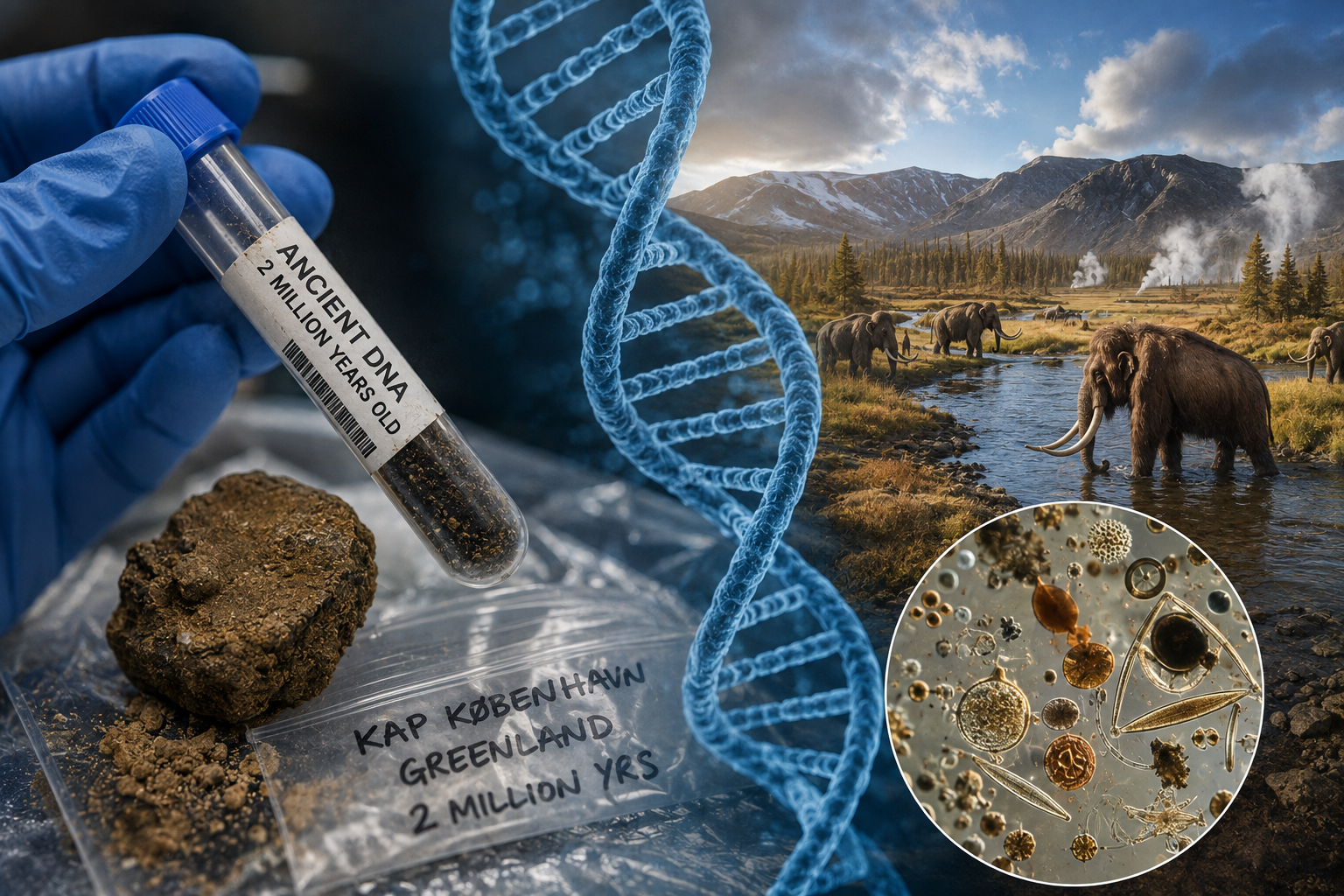
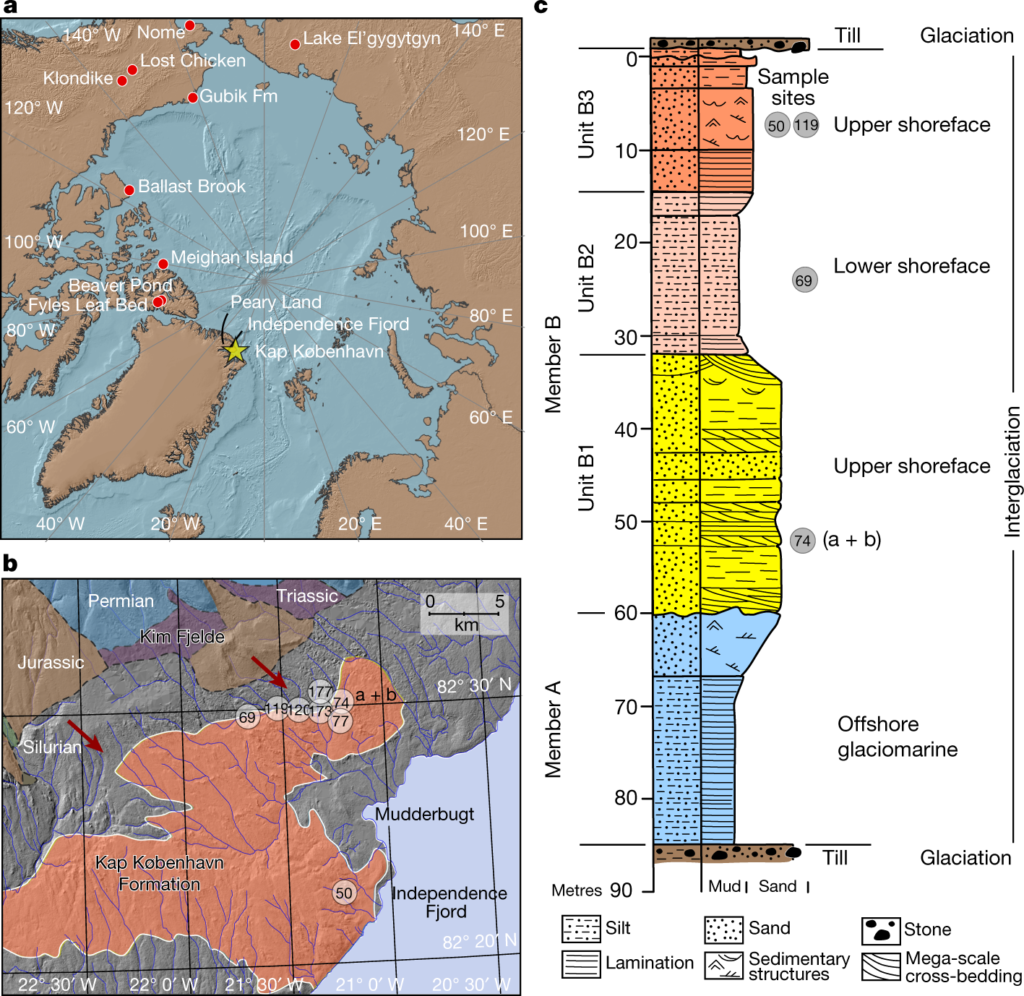
Researchers examined sediment from the Kap København Formation. The deposits were dated to around 2 million years ago. Instead of relying only on visible fossils, genetic material preserved in the sediment was analyzed.
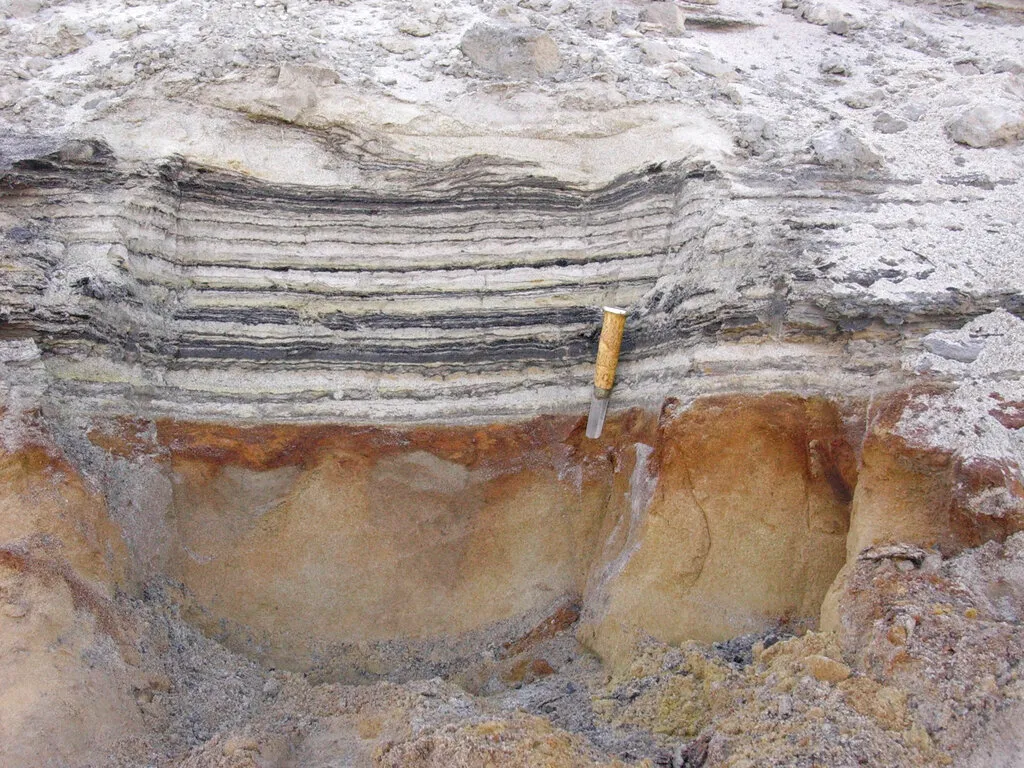
The DNA was described as environmental DNA because it had been released by organisms into their surroundings.
Plant material, animal material, and other biological traces had been mixed into the ancient environment. Over time, these materials became trapped in sediment.
Because the environment was cold and relatively stable, fragments of DNA were preserved.
The recovered genetic material was then compared with modern and ancient reference sequences. Through this process, a picture of the ancient ecosystem was created.
What Did Ancient DNA Reveal?
The Greenland Ancient DNA revealed an ecosystem that was very different from the frozen landscape found there today.
Genetic evidence was identified from plants and animals. Poplar, birch, and thuja were detected, along with shrubs and herbs.
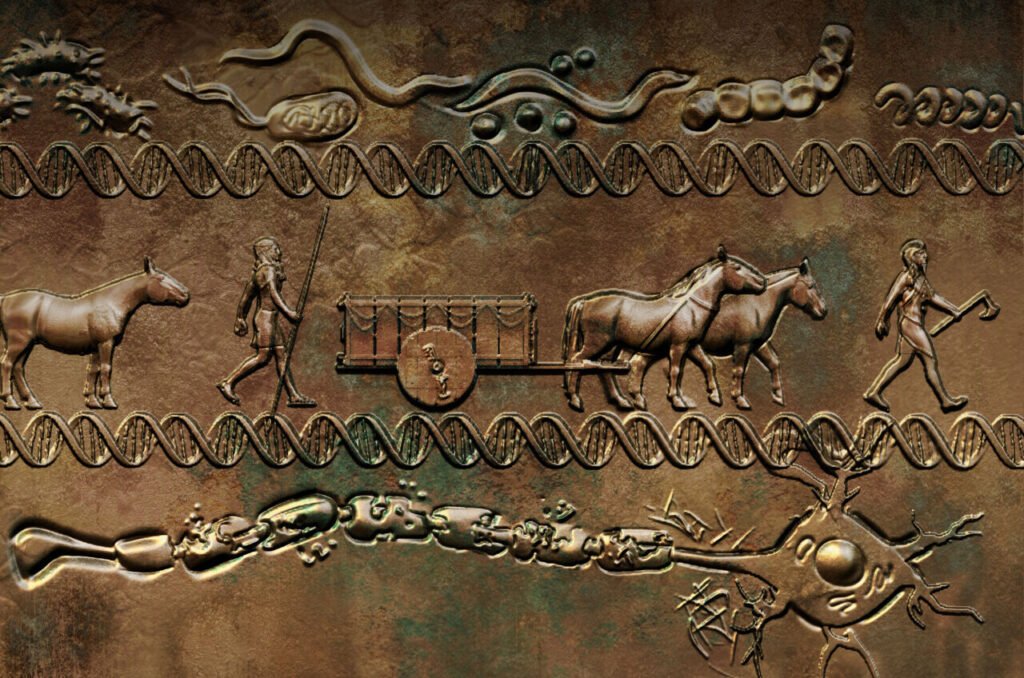
DNA associated with hares, reindeer, rodents, geese, and mastodons was also identified.
The mastodon evidence was particularly surprising. These elephant relatives were known from other parts of the Northern Hemisphere, but their presence in this ancient Greenland ecosystem provided an unexpected clue about the region’s past.
Importantly, some organisms detected through DNA had not been clearly identified through traditional fossil evidence at the site.
Therefore, the study demonstrated that Ancient DNA can reveal information that may remain hidden when only bones, pollen, or visible fossils are examined.
Ancient DNA and Greenland’s Lost Ecosystem
Modern northern Greenland is extremely cold and largely treeless. However, the ancient ecosystem reconstructed from DNA was much more productive.
A mixture of trees, shrubs, herbs, insects, and animals was present.
This discovery provided evidence that northern Greenland once supported a much warmer environment.
The ecosystem was not simply a modern forest transported into the past. Instead, a unique combination of species was identified.
For example, plants associated with different environments were found together. This suggests that ancient climate conditions allowed biological communities to develop that are rarely seen today.
As a result, Ancient DNA has provided a powerful method for studying how ecosystems responded to major climate differences.
Ancient DNA and the Mastodon Clue
One of the most fascinating findings was the genetic evidence for mastodons.
Mastodons were large relatives of modern elephants. Their DNA in the Greenland sediment showed that these animals had reached a region that is now extremely cold.
However, the genetic evidence does not explain exactly how they arrived there.
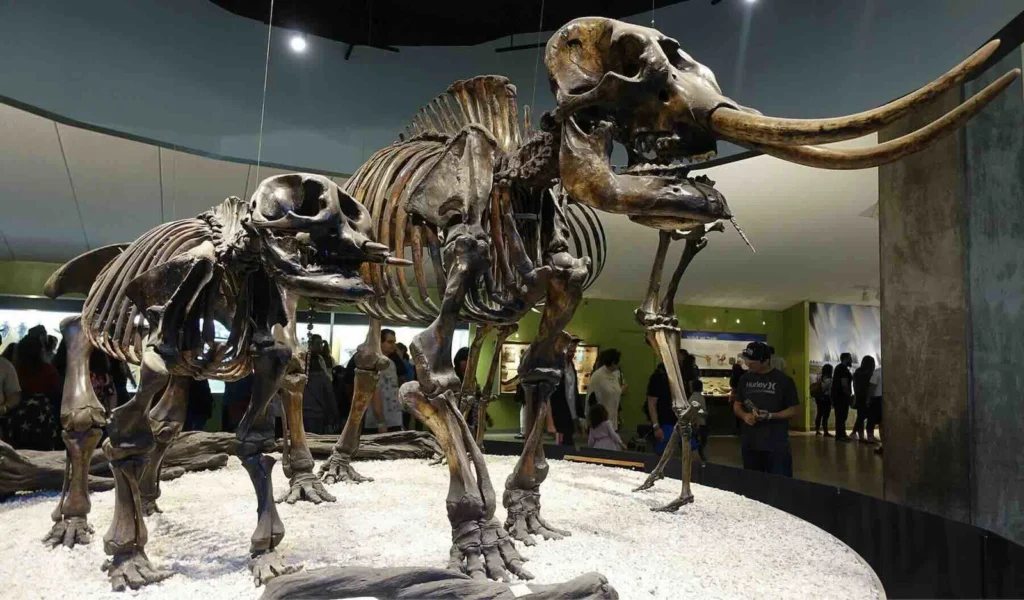
Their presence nevertheless provides an important clue about ancient animal movement.
Therefore, the discovery is useful not only for identifying extinct species but also for studying how animals moved across changing landscapes.
How Can Ancient DNA Survive for Millions of Years?
The survival of Ancient DNA depends heavily on environmental conditions.
DNA molecules are fragile. After death, they are normally damaged by chemical and biological processes.
Cold environments can slow these processes. Stable sediments can also reduce exposure to water, oxygen, and microorganisms.
In Greenland, the ancient sediment provided unusually favorable conditions.
The DNA fragments were extremely degraded. Nevertheless, advanced sequencing methods were able to recover enough information for identification.
Scientists also examined DNA damage patterns and other evidence to confirm that the genetic material was genuinely ancient.
This is important because modern DNA contamination can create misleading results.
Therefore, strict laboratory controls and authentication methods are required whenever extremely old DNA is studied.
What Was Discovered in 2026?
The field of Ancient DNA received another important development in 2026.
Researchers studied permafrost-preserved ground squirrel burrows in Yukon, Canada. The burrows contained ancient droppings, also known as coprolites, that had remained preserved for hundreds of thousands of years.
The oldest material examined was associated with deposits around 700,000 years old.
Using shotgun metagenomics and targeted DNA enrichment, genetic traces from plants, insects, microbes, birds, and large mammals were recovered.
More than 18 mitochondrial genomes were assembled, including genetic material associated with ground squirrels, snowshoe hares, steppe bison, horses, and mammoths.
The researchers concluded that these frozen burrows acted as biological archives of ancient ecosystems.
Why the 2026 Ancient DNA Study Matters
The 2026 study is important because it shows that valuable DNA does not always have to be recovered from a fossil bone.
Ancient animal droppings can also preserve genetic information.
Because ground squirrels repeatedly used their burrows, biological material was collected and preserved inside them.
As a result, one small frozen burrow could contain information about many organisms that lived nearby.
This provides scientists with a new type of biological time capsule.
The study also showed that ancient environmental DNA can be used to investigate population history and ecosystem changes across long periods.
How Ancient DNA Can Reconstruct Ecosystems
Traditional fossils can provide important information. However, they are often incomplete.
A bone may tell scientists that a particular animal lived in an area. It may not reveal all the plants, insects, microbes, or other animals that were present.
Ancient DNA can fill some of these gaps.
Genetic traces can be left behind through skin cells, waste, roots, pollen, food remains, and other biological material.
When these fragments are preserved, they can later be recovered and analyzed.
Consequently, an entire biological community can sometimes be reconstructed from a relatively small amount of sediment or preserved material.
This approach is particularly useful in regions where traditional fossils are rare.
Why Ancient DNA Research Matters
The importance of Ancient DNA research extends far beyond extinct animals.
First, ancient genetic material can be used to study evolution.
Second, it can reveal how species moved between different regions.
Third, it can help scientists understand how ecosystems responded to climate change.
For example, the Greenland discovery showed that Arctic ecosystems were once capable of supporting a much wider variety of plants and animals.
Similarly, the Yukon research demonstrated that ancient permafrost can preserve information about changing Beringian ecosystems.
Therefore, Ancient DNA can be viewed as a biological record of Earth’s changing environments.
What Scientists Still Do Not Know
Although major progress has been made, many questions remain unanswered.
Scientists still do not know the maximum age at which usable DNA can survive under every environmental condition.
The exact preservation limits can vary depending on temperature, sediment composition, moisture, chemical conditions, and geological stability.
Another challenge is contamination.
Modern DNA can sometimes enter ancient samples during excavation, transportation, laboratory preparation, or analysis.
For this reason, ancient genetic findings must be supported by several authentication methods.
In the 2026 Yukon study, multiple controls and DNA damage patterns were used to strengthen the authenticity of the recovered genetic signals.
The Future of Ancient DNA Research
The future of Ancient DNA research is likely to be shaped by better sequencing technology and improved computational analysis.
Smaller fragments may be identified more accurately. At the same time, larger genetic databases will allow ancient sequences to be compared with a greater number of modern and extinct organisms.
More unusual environments may also be examined.
Permafrost, caves, lake sediments, ancient soil, and preserved animal burrows could all contain valuable genetic records.
Furthermore, researchers may increasingly combine DNA with fossils, pollen, geological evidence, and climate models.
This combined approach could provide a much more complete picture of ancient ecosystems.
The biggest opportunity may come from places that have not traditionally been considered important fossil sites.
A small amount of frozen sediment could potentially contain information about an entire biological community.
Ancient DNA and Climate Research
Another important application of Ancient DNA research is climate science.
Past ecosystems can be used as natural records of ancient environmental conditions.
If certain plants and animals are identified in sediments from a particular period, their presence can provide clues about temperature, vegetation, water availability, and habitat conditions.
The Greenland discovery is a strong example.
The DNA showed that a much richer ecosystem existed in northern Greenland around 2 million years ago.
Similarly, the 2026 Yukon research demonstrated that environmental DNA preserved in permafrost can provide records across different periods of the Pleistocene.
Therefore, ancient genetic material could become increasingly useful for understanding how ecosystems may respond to future environmental change.
Frequently Asked Questions
What is Ancient DNA?
Ancient DNA is genetic material that has survived from organisms that lived in the distant past. It can be recovered from fossils, sediment, permafrost, and preserved biological material.
Is 2-million-year-old DNA real?
Yes. Researchers reported an environmental DNA record from northern Greenland dating to around 2 million years ago. The DNA was used to reconstruct an ancient ecosystem.
Where was the oldest DNA in this research found?
The approximately 2-million-year-old DNA was recovered from sediment at the Kap København Formation in northern Greenland.
What animals were identified through Ancient DNA?
Genetic traces associated with mastodons, reindeer, hares, rodents, and geese were identified in the Greenland material.
Was dinosaur DNA found?
No. Dinosaur DNA was not found in this research. The Greenland genetic material dates to around 2 million years ago, long after non-avian dinosaurs disappeared.
What was discovered in Ancient DNA research in 2026?
A 2026 study showed that permafrost-preserved ground squirrel burrows in Yukon contained environmental DNA spanning at least about 700,000 years. Genetic material from plants, insects, microbes, and large animals was recovered.
Can Ancient DNA survive forever?
No. DNA eventually breaks down. However, extremely cold and stable environments can preserve genetic fragments for very long periods.
Why is Ancient DNA important?
It can reveal organisms and ecosystems that may not be fully represented in the fossil record. It can also help scientists study evolution, migration, climate change, and ancient biodiversity.
Conclusion
Ancient DNA has transformed the way Earth’s distant past can be studied.
The discovery of approximately 2-million-year-old environmental DNA in Greenland revealed a surprisingly diverse ecosystem containing trees, plants, insects, and large animals. The finding demonstrated that genetic evidence can provide information that may not be visible in traditional fossils.
Moreover, the 2026 Yukon study showed that ancient environmental DNA can be preserved inside permafrost-protected ground squirrel burrows for hundreds of thousands of years. Genetic traces from numerous organisms were recovered, turning these frozen burrows into biological archives.
Therefore, the value of Ancient DNA research is continuing to grow.
As sequencing technology improves, older genetic records may become accessible. More importantly, these records could help scientists understand how ecosystems changed, how species moved, and how life responded to dramatic shifts in Earth’s climate.
The past may be frozen, but its genetic evidence is still being uncovered.