Research Data Lineage: 7 Critical Mistakes That Damage Data Integrity
Research Data Lineage is becoming an important part of modern research because it helps researchers understand the complete journey of their data. It shows where information came from, how it was collected, what changes were made, how it was processed, and how it contributed to the final research result. Without proper tracking, even a small undocumented change can create problems for data integrity, transparency, and reproducibility. Recent research guidance also emphasizes careful data collection, processing, versioning, and documentation as important parts of reliable research.
Table of Contents
- What Is Research Data Lineage?
- 7 Critical Mistakes
- How to Protect Data Integrity
- FAQ
- Conclusion
What Is Research Data Lineage?
Research Data Lineage refers to the ability to trace data from its original source through the important stages of a research project. It creates a connection between original information, processed datasets, analytical methods, and final findings.
For example, imagine that a researcher collects survey responses and then removes duplicate entries, corrects formatting problems, handles missing values, and performs statistical analysis. A clear data trail helps explain what happened at each stage.
This makes the research process easier to understand and review. If an unexpected result appears, researchers can work backward through the data journey and investigate where a possible problem occurred. Data provenance is similarly described as a documented trail showing the origin, movement, and changes made to data.
7 Critical Research Data Lineage Mistakes
1. Not Recording the Original Data Source
One of the most basic mistakes is failing to document where the original data came from. Researchers may save a dataset without recording its source, collection date, version, or relevant background information.
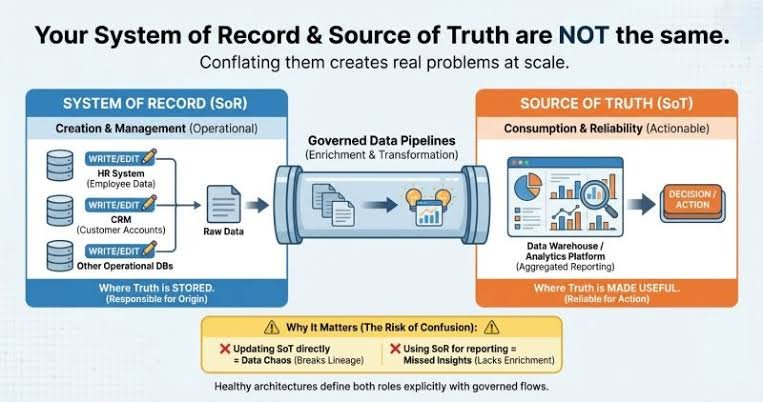
This can become a serious problem when the dataset needs to be verified later. Another researcher may find the final data but have no reliable way to understand its original origin.
A clear source record creates a stronger foundation for data integrity. Research data guidelines recommend documenting the source and time of received data and keeping that information with the original, unprocessed dataset.
2. Hiding Data Transformations
Research data is often cleaned or transformed before analysis. Researchers may remove duplicate records, change variable formats, combine datasets, or handle missing values.
These changes are not necessarily bad. Many transformations are necessary for high-quality analysis. The problem occurs when researchers make changes without documenting them.
A good lineage process should make these transformations visible. Someone reviewing the project should be able to understand how the original dataset became the final analytical dataset.
When transformations are hidden, it becomes harder to identify errors and determine whether the final results accurately represent the original information.
3. Mixing Different Data Versions
Research projects can generate many versions of the same dataset. There may be a raw dataset, a cleaned dataset, an analyzed dataset, and a final dataset.
Without clear version management, researchers can accidentally analyze an outdated file or overwrite an important version. This creates a hidden risk that may not become obvious until much later.
Strong data tracking connects important versions of the dataset and makes their purpose clear. Versioning is particularly important because changes to a dataset can cause the same query or analysis to produce different outputs.
4. Ignoring Manual Data Changes
Manual editing can introduce unexpected errors into research data. A researcher may accidentally change a value, delete a record, or enter information incorrectly.
These mistakes can be difficult to detect when there is no record of what was changed or why the change was made.
A reliable documentation process should record important manual interventions. This creates a clearer history of the dataset and helps researchers distinguish intentional corrections from accidental changes.
The positive side is that better documentation can turn hidden problems into identifiable and correctable issues.
5. Failing to Document Analysis Steps
The final research result depends on more than the dataset itself. Filtering rules, statistical methods, calculations, software settings, and analytical decisions can all influence the outcome.
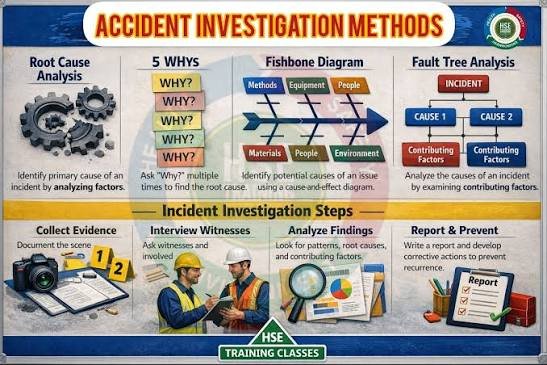
If these steps are not documented, another researcher may struggle to understand how the final result was produced.
The data trail should therefore connect the dataset with the major analytical steps used to generate the findings. This makes the research workflow more transparent and easier to review.
Researchers have long been advised to preserve information about the procedures and tools used to collect, process, and analyze research data because processed data can be difficult to evaluate without this context.
6. Ignoring Metadata
Metadata provides important information about data. It can describe variables, measurement units, collection dates, definitions, formats, and other contextual details.
When metadata is missing, a dataset can become difficult to understand. A researcher might recognize the name of a variable but still not know what it measures or which unit was used.
Including meaningful metadata helps preserve the context of research information. It also improves the usefulness of datasets for future analysis.
Metadata is especially important for traceability because identifying the origin of information within a final analysis can be extremely difficult without sufficient metadata.
7. Skipping the Final Lineage Review
Some researchers focus heavily on collecting and analyzing data but give little attention to reviewing the complete data journey before publishing their findings.
This can leave gaps in documentation. A source may be missing, a transformation may not be explained, or an analytical step may be impossible to trace.
A final review provides an opportunity to check whether the connection between the original data and final research results is complete.
Finding a documentation problem before publication is far better than discovering it after questions are raised about the study.
Research Data Lineage and Data Integrity
Research Data Lineage and data integrity are closely connected. Data integrity focuses on keeping research information accurate, consistent, reliable, and trustworthy throughout its lifecycle.
Lineage does not automatically make data accurate. Instead, it provides visibility into the data journey. Researchers can see where information originated, what happened to it, and which processes contributed to the final result.
Recent research data guidelines emphasize that robust collection and processing are essential because errors in data handling can affect the reliability and reproducibility of scientific findings.
| Data Stage | Potential Risk | Integrity Protection |
|---|---|---|
| Data Collection | Unclear or incorrect source | Source documentation |
| Data Cleaning | Unrecorded changes | Transformation records |
| Data Storage | Version confusion | Version control |
| Data Analysis | Unclear analytical process | Analysis documentation |
| Final Output | Difficult-to-trace results | Result traceability |
Research Data Lineage Workflow
A simple Research Data Lineage workflow can be understood as:
Original Source → Raw Data → Data Cleaning → Data Transformation → Analysis → Final Dataset → Research Result
The goal is not to create unnecessary paperwork. Instead, the goal is to maintain enough information to explain how research information moved from its original source to the final findings.
This becomes especially valuable when research involves multiple datasets, complex analysis, collaborative teams, or automated processing.
The workflow also creates a practical way to investigate unexpected results. If the final outcome looks unusual, researchers can move backward through the documented stages rather than trying to reconstruct the entire process from memory.
Note: The chart uses illustrative values only. It should not be interpreted as empirical research data.
How to Protect Data Integrity
Improving Research Data Lineage starts with documenting the data journey from the beginning rather than trying to reconstruct it at the end of a project.
Researchers should preserve the original source, maintain identifiable dataset versions, record important transformations, and explain major analytical decisions. Metadata should also be clear enough that another researcher can understand the meaning and context of the dataset.
It is also useful to establish a consistent documentation process for the entire research team. When everyone records changes in the same way, the resulting data history becomes easier to follow.
Another useful approach is to review documentation at important milestones instead of waiting until the study is finished. This can help researchers identify missing information while the details are still fresh.
Most importantly, data tracking should be treated as part of the research workflow rather than an administrative task completed just before publication.
Research Data Lineage FAQ
What Is Research Data Lineage?
Research Data Lineage is the process of tracking research data from its original source through collection, cleaning, transformation, analysis, and final reporting.
Why Is Research Data Lineage Important?
It improves visibility into how research data changes over time. It can support transparency, data integrity, verification, and reproducibility.
Does Research Data Lineage Guarantee Data Integrity?
No. A data trail does not guarantee that information is accurate. Instead, it helps researchers identify and understand sources, changes, and processing steps that may affect data quality.
What Is the Biggest Research Data Lineage Mistake?
One of the most serious mistakes is failing to document important data transformations. If researchers cannot explain how raw data became the final dataset, verifying the results becomes more difficult.
Is Research Data Lineage Useful for AI-Assisted Research?
Yes. It can be particularly useful when AI or automated tools are involved in data processing or analysis. Clear documentation can help researchers understand which information was original, which steps were automated, and where human decisions influenced the workflow. A 2026 paper has also described a data-lineage methodology for documenting AI datasets in clinical laboratories, showing the growing relevance of this approach to AI-supported research.
Conclusion
Research Data Lineage provides a practical way to make the journey of research data more transparent and traceable. From the original source to the final research result, important transformations and analytical decisions can contribute to the reliability of a study.
The biggest problems usually occur when researchers change data without recording those changes, mix different dataset versions, ignore metadata, or fail to document analytical steps. These mistakes can make otherwise valuable research difficult to verify.
A strong approach is simple: do not just store research data—preserve its history. By creating a clear and consistent data trail, researchers can build a more transparent, organized, and trustworthy path from data collection to final conclusions.