Cell-Free Biomanufacturing 2026: 7 Powerful Breakthroughs & 5 Key Challenges
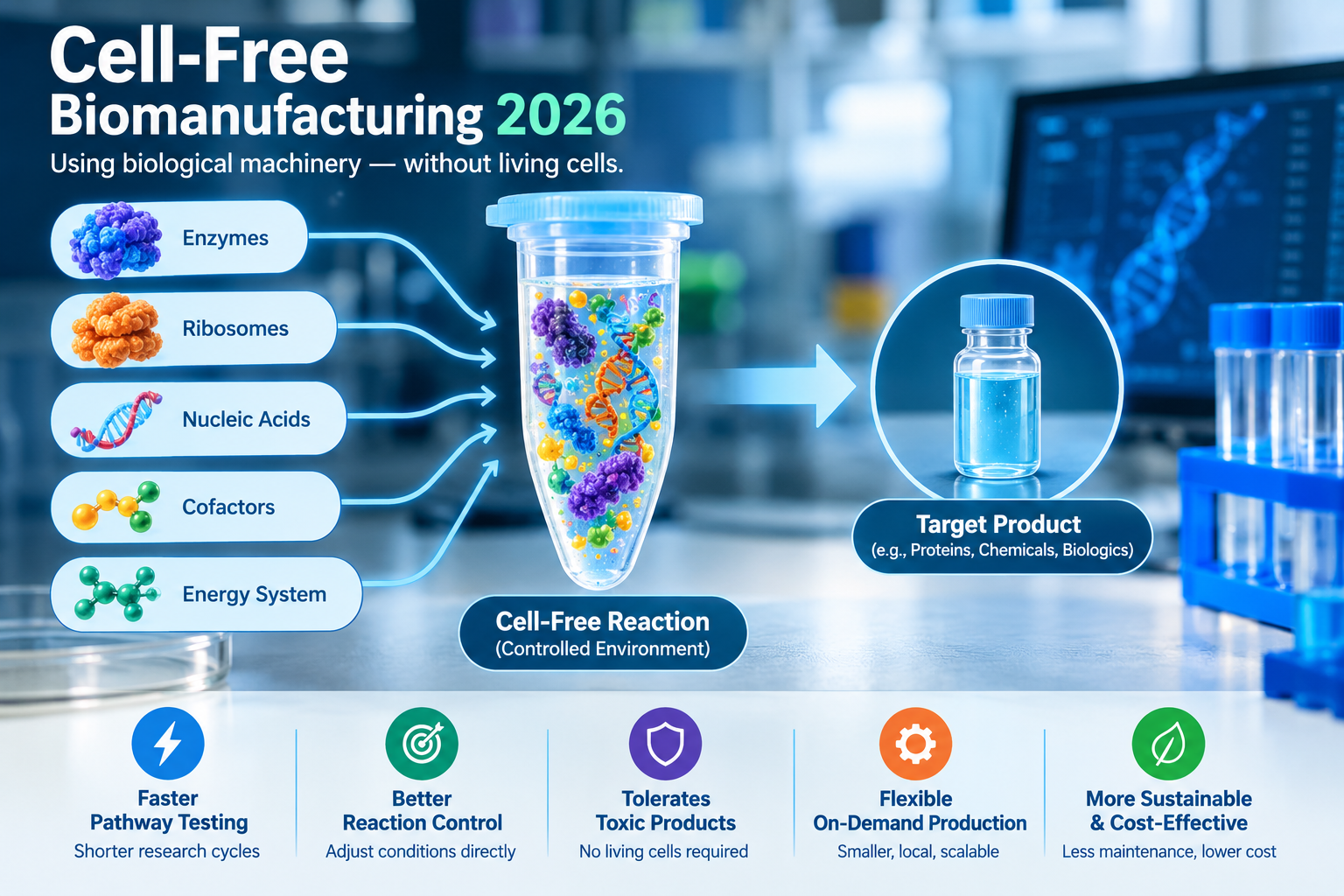
Cell-Free Biomanufacturing 2026 is becoming an important area of synthetic biology because it allows scientists to use biological machinery without relying on fully living cells. Instead of asking a microorganism to grow, survive, and manufacture a product at the same time, researchers can use enzymes, ribosomes, cofactors, and other cellular components directly in a controlled reaction environment. This approach can make pathway testing faster and give researchers greater control over biological production. Recent research is also exploring lower-cost systems, improved energy regeneration, automation, and new ways to scale cell-free production beyond laboratory experiments.
punjabprojects.com
Table of Contents
- What Is Cell-Free Biomanufacturing 2026?
- 7 Breakthroughs in Cell-Free Biomanufacturing 2026
- 5 Challenges in Cell-Free Biomanufacturing 2026
- Cell-Free Biomanufacturing 2026 Planning Table
- Future of Cell-Free Biomanufacturing 2026
- FAQs About Cell-Free Biomanufacturing 2026
- Final Thoughts
What Is Cell-Free Biomanufacturing 2026?
Cell-Free Biomanufacturing 2026 refers to the production of biological products using cellular components outside a living organism. These systems can contain enzymes, ribosomes, nucleic acids, cofactors, energy systems, and other biochemical components required to perform a specific reaction. Because there is no requirement to maintain a complete living cell, researchers can directly modify the reaction environment and focus resources on the desired product.
Traditional microbial manufacturing has major advantages, but living cells also create limitations. A microorganism must spend resources on growth, maintenance, stress responses, and survival. In a cell-free system, those biological priorities can be reduced or removed. Researchers can therefore design pathways around the product rather than around the needs of a living organism. Reviews of cell-free metabolic engineering have highlighted this flexibility as one of the major reasons the technology is attracting interest.
7 Powerful Breakthroughs in Cell-Free Biomanufacturing 2026
1. Cell-Free Biomanufacturing 2026 Enables Faster Pathway Testing
One of the strongest advantages of Cell-Free Biomanufacturing 2026 is rapid pathway prototyping. In a living organism, changing a metabolic pathway may require genetic engineering, cell growth, screening, and optimization. Cell-free systems can reduce some of these steps because researchers can introduce biological components directly into the reaction.
This creates a useful design-build-test environment. Scientists can compare enzymes, substrates, cofactors, and pathway combinations without repeatedly rebuilding an entire production organism. The result is a potentially faster research cycle for synthetic biology and metabolic engineering.
2. Cell-Free Biomanufacturing 2026 Improves Reaction Control
Another important breakthrough is the level of control available outside a living cell. Cell membranes and intracellular regulation can restrict the movement of substrates and products. A cell-free reaction is more open, allowing researchers to control important components directly.
Scientists can adjust reaction conditions, add substrates, introduce enzymes, monitor metabolites, and modify cofactors. This flexibility is particularly valuable when researchers are working with pathways that are difficult to express efficiently inside living organisms.
3. Cell-Free Biomanufacturing 2026 Supports Toxic Product Production
Some compounds can damage or inhibit the microorganisms that are supposed to produce them. This creates a major problem for traditional fermentation because increasing product concentration can also harm the production organism.
Cell-Free Biomanufacturing 2026 can reduce this particular biological limitation because the production system does not need to remain alive. Research reviews identify tolerance to otherwise toxic molecules as one potential advantage of cell-free biotechnology. This could make the approach attractive for specialized chemicals and compounds that are difficult to manufacture using living cells.
4. Cell-Free Biomanufacturing 2026 Expands On-Demand Production
Cell-free systems can potentially support smaller and more flexible production models. Instead of depending entirely on large centralized biological factories, researchers are investigating systems that could produce specialized materials closer to where they are needed.
This concept is especially interesting for personalized products, specialized research reagents, and situations where traditional supply chains are expensive or slow. A 2024 review noted the potential of cell-free synthesis for on-demand and specialized production while also emphasizing the need to solve cost and scale challenges.
5. Cell-Free Biomanufacturing 2026 Uses Better Energy Strategies
Energy management is one of the most important areas of cell-free research. Biochemical reactions require energy and cofactors, and continuously supplying these components can become expensive.
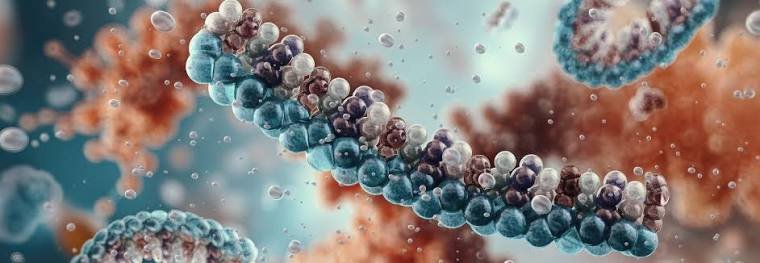
Researchers are therefore investigating improved cofactor regeneration and alternative energy sources. Some approaches explore renewable carbon sources, electrochemical systems, photosynthetic energy regeneration, and other strategies designed to maintain reactions for longer periods. These developments could improve the sustainability of cell-free manufacturing if they become economically practical.
6. Cell-Free Biomanufacturing 2026 Is Becoming More Cost-Efficient
Cost has historically been one of the biggest obstacles to cell-free manufacturing. However, recent work shows that researchers are actively trying to simplify systems and reduce expensive components.
A 2026 study published in ACS Synthetic Biology reported a minimal cell-free protein synthesis platform that reduced system cost by nearly 97.5% compared with commercial systems while maintaining comparable protein yields in the reported experiments. This is an important research result because lowering reagent costs could make cell-free platforms more accessible and potentially improve their commercial prospects.
7. Cell-Free Biomanufacturing 2026 Moves Toward Self-Regenerating Systems
A particularly interesting development is the effort to make cell-free systems more self-sustaining. In 2026, researchers reported that the PURE cell-free system could be reconstituted using proteins synthesized by the PURE system itself. The work represents progress toward understanding how biochemical systems could regenerate some of their own components.
This does not mean fully autonomous artificial cells are already ready for industrial manufacturing. Instead, it represents an important step toward systems that could eventually maintain or rebuild parts of their biochemical machinery, potentially reducing the need for constant external replacement.
5 Key Challenges in Cell-Free Biomanufacturing 2026
Challenge 1: Cell-Free Biomanufacturing 2026 Still Faces High Costs
Despite recent progress, cost remains a major challenge. Enzymes, cofactors, nucleotides, energy substrates, purification processes, and other reaction components can become expensive when used at large scale.
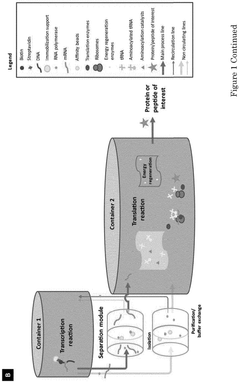
A system that performs well in a small laboratory reaction may not automatically become economically attractive in an industrial reactor. Researchers therefore need cheaper raw materials, improved enzyme reuse, efficient cofactor regeneration, and better manufacturing processes.
Challenge 2: Cell-Free Biomanufacturing 2026 Needs Better Stability
Enzymes and other biological components can lose activity over time. This creates difficulties when reactions need to operate for extended periods.
Improving enzyme stability through protein engineering, immobilization, reaction optimization, or protective environments could help. Earlier research has identified enzyme stability and catalyst lifetime as important barriers to industrial cell-free production.
Challenge 3: Cell-Free Biomanufacturing 2026 Must Scale Efficiently
Scaling is one of the biggest differences between laboratory research and industrial manufacturing. A cell-free pathway that works in a small tube may behave differently when reaction volume increases.
Large-scale systems need reliable mixing, temperature management, oxygen or gas control where necessary, substrate delivery, product removal, and consistent reaction performance. Researchers have repeatedly identified scale-up as a central challenge for commercial cell-free biomanufacturing.
Challenge 4: Cell-Free Biomanufacturing 2026 Requires Efficient Cofactor Regeneration
Many biochemical pathways depend on cofactors to transfer energy or electrons. Continuously adding expensive cofactors is not an attractive industrial strategy.
For this reason, effective in situ regeneration systems are essential. Research into secondary energy sources and dual-energy systems is focused on making cofactor recycling more efficient and economically realistic.
Challenge 5: Cell-Free Biomanufacturing 2026 Needs Stronger Commercial Validation
The scientific potential of cell-free systems is clear, but commercial adoption requires more than successful laboratory demonstrations. Manufacturers need predictable costs, stable production, consistent quality, scalable equipment, and reliable supply chains.
This creates an important gap between proof-of-concept research and full industrial deployment. Continued research will need to demonstrate that cell-free systems can compete with established biological and chemical manufacturing methods on economics as well as performance.
Cell-Free Biomanufacturing 2026 Planning Table
The following table summarizes the major areas that researchers need to consider when evaluating a cell-free manufacturing platform.
| Area | Opportunity | Main Concern |
|---|---|---|
| Pathway design | Fast prototyping | Complex pathway interactions |
| Enzymes | High selectivity | Stability and cost |
| Cofactors | Efficient reactions | Regeneration expense |
| Energy | Alternative energy systems | Long-term reaction efficiency |
| Production | Flexible manufacturing | Scale-up |
| Purification | Open reaction environment | Downstream processing |
| Automation | Faster optimization | Equipment and integration |
These categories are a practical framework rather than measured percentages or a ranking of commercial readiness. The main research literature consistently emphasizes pathway control, catalyst stability, energy/cofactor management, cost, and scale-up as important areas for progress.
Cell-Free Biomanufacturing 2026 Research Trend
The overall research direction can be viewed as a progression from basic pathway testing toward more economical, automated, stable, and scalable manufacturing systems. The chart below is a conceptual research-development trend, not a measured market forecast.
The purpose of this visual is to show how research priorities can move from demonstrating whether a pathway works toward making that pathway affordable, stable, scalable, and commercially useful. It should not be interpreted as a quantitative forecast of the cell-free biomanufacturing market.
Future of Cell-Free Biomanufacturing 2026
The future of Cell-Free Biomanufacturing 2026 will likely depend on whether researchers can combine several improvements rather than solving only one problem. Cheaper enzymes will help, but they will have limited value if reactions remain unstable. Better pathways will matter, but they will not guarantee commercial success if energy and cofactor costs remain high.
Automation and machine learning may also become increasingly important. A 2024 review highlighted the growing connection between cell-free synthetic biology, automation, and machine learning for improving biological engineering workflows. These tools could allow researchers to test many reaction conditions more efficiently and identify promising combinations faster.
Another promising direction is decentralized manufacturing. Because cell-free systems do not require living organisms to grow and maintain themselves, they may eventually support compact production platforms for certain high-value products. However, this possibility remains dependent on cost, stability, regulatory requirements, and reliable process control.
FAQs About Cell-Free Biomanufacturing 2026
What is Cell-Free Biomanufacturing 2026?
Cell-Free Biomanufacturing 2026 is the use of biological components outside living cells to manufacture proteins, chemicals, materials, or other useful products. It provides researchers with a more controlled environment for designing and optimizing biochemical reactions.
Why is Cell-Free Biomanufacturing 2026 important?
It is important because it can reduce some limitations associated with living cells. Researchers can directly manipulate enzymes, substrates, cofactors, and reaction conditions, potentially making pathway development faster and more flexible.
Is Cell-Free Biomanufacturing 2026 ready for every industry?
No. The technology is promising, but cost, enzyme stability, cofactor regeneration, reaction lifetime, and large-scale production remain important challenges.
Can Cell-Free Biomanufacturing 2026 replace fermentation?
It is unlikely to replace fermentation in every application. Instead, cell-free systems may become particularly useful where rapid prototyping, high control, specialized products, or unusual reaction conditions provide an advantage.
Final Thoughts on Cell-Free Biomanufacturing 2026
Cell-Free Biomanufacturing 2026 is moving from an interesting synthetic biology concept toward a broader technology platform for controlled biological production. Its biggest strengths include rapid pathway testing, open reaction environments, flexibility, potential tolerance of toxic products, and opportunities for on-demand manufacturing.
At the same time, the technology still faces serious challenges. High reagent costs, enzyme stability, cofactor regeneration, reaction longevity, and industrial scale-up must be addressed before cell-free systems can compete widely with established manufacturing platforms.
The most exciting part of the field is that these challenges are now becoming active engineering targets. Recent work on lower-cost systems and self-reconstituting biochemical machinery shows that researchers are not only asking whether cell-free manufacturing works; they are increasingly asking how to make it cheaper, more reliable, and more scalable.
If these improvements continue, cell-free technology could become an important part of future biomanufacturing, particularly for specialized chemicals, biologics, research products, and potentially decentralized production.