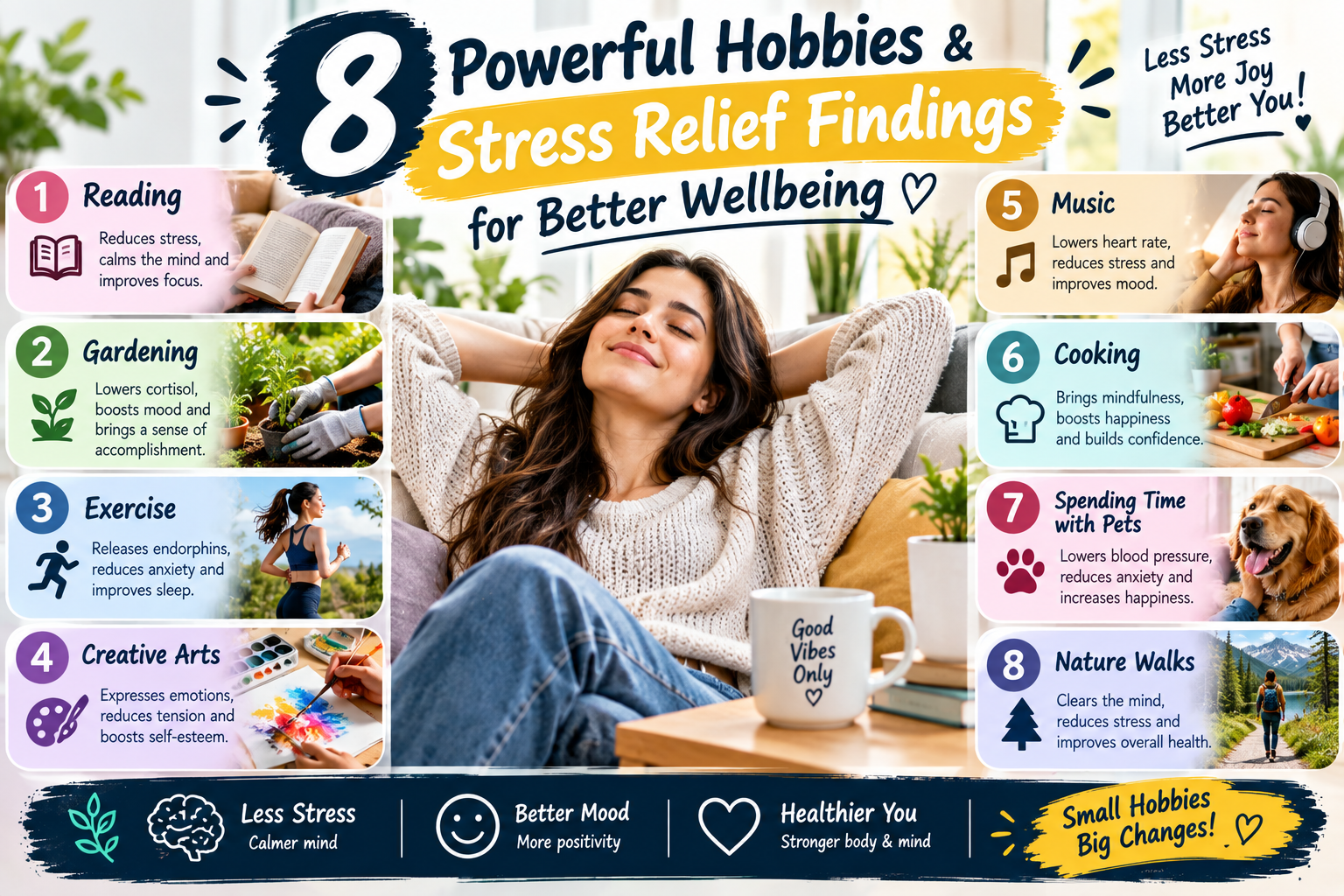
8 Powerful Hobbies & Stress Relief Findings for Better Wellbeing
Hobbies & Stress Relief Findings are becoming an interesting area of research because free-time activities may influence how people experience stress, happiness, social connection, and overall wellbeing. Recent research has found associations between hobby engagement and better mental wellbeing, while a 2025 scoping review identified stress, anxiety, depression, quality of life, and social support as major themes in research on hobbies.
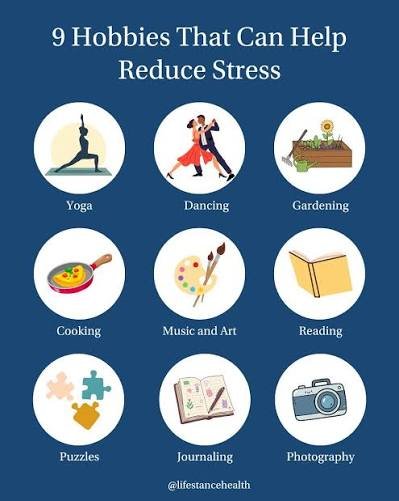
A hobby does not have to be complicated or expensive. Reading, gardening, arts and crafts, playing games, walking, cooking, music, and other enjoyable activities can all become meaningful parts of someone’s free time. However, research does not suggest that every hobby works in exactly the same way or that hobbies should replace professional mental-health care. Instead, the evidence points toward interesting relationships between Hobbies & Stress Relief Findings and different aspects of wellbeing.
Table of Contents
- What Research Says About Hobbies and Stress
- 8 Hobbies & Stress Relief Findings
- Why Different Hobbies May Work Differently
- What the Research Does Not Prove
- How to Choose a Stress-Relieving Hobby
- Frequently Asked Questions
What Research Says About Hobbies & Stress Relief Findings
The scientific picture is broader than simply saying that “hobbies reduce stress.” A 2025 scoping review examined research on hobbies and mental health and identified three major areas: depression, anxiety and stress; quality of life and wellbeing; and social interaction and support. The researchers also noted that more research is still needed across different population groups.
A large international study provides another important perspective. Researchers analyzed data from more than 93,000 adults aged 65 and older across 16 countries and found that having a hobby was associated with fewer depressive symptoms and higher self-reported health, happiness, and life satisfaction. These findings were also examined using longitudinal analyses, although associations should not automatically be interpreted as proof that hobbies directly caused the improvements.
This makes Hobbies & Stress Relief Findings particularly useful for understanding the difference between a simple lifestyle trend and a research-supported area of wellbeing.
8 Hobbies & Stress Relief Findings
1. Hobbies & Stress Relief Findings Show a Link With Lower Stress
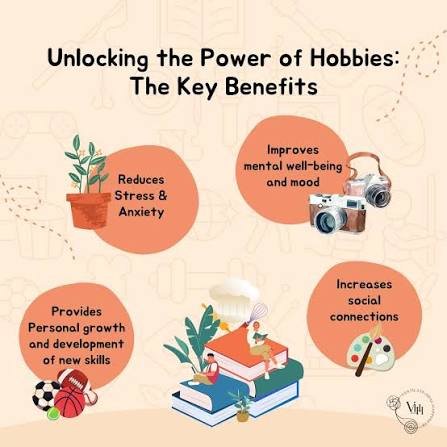
One of the clearest themes in the available research is the relationship between enjoyable activities and stress. The 2025 scoping review found that several studies reported lower levels of depression, anxiety, or stress among people engaging in hobbies. The review also described relaxation and pleasure as possible ways hobbies may support wellbeing.
This does not mean that picking up a hobby will automatically eliminate stress. Stress is influenced by many factors, including work, finances, relationships, sleep, health, and environment. A hobby may instead provide a period of enjoyable activity that gives a person psychological distance from everyday demands.
The distinction matters because the research generally describes associations, rather than proving that hobbies alone are responsible for better mental health.
2. Hobbies & Stress Relief Findings Connect With Happiness
Another interesting finding involves happiness. The multinational study of older adults across 16 countries found an association between hobby engagement and higher levels of reported happiness. The researchers also found similar patterns when examining longitudinal relationships.
A hobby may provide something that routine responsibilities often do not: an activity chosen mainly because the person enjoys it. That sense of personal choice can make leisure time feel different from obligatory tasks.
Reading a novel, growing plants, painting, playing an instrument, or working on a personal project may create moments where attention is directed toward something enjoyable rather than toward everyday pressures.
3. Hobbies & Stress Relief Findings Suggest Social Activities Matter
Not every hobby is solitary. Many activities naturally involve other people, including sports, book clubs, crafting groups, gaming, volunteering, music groups, and community activities.
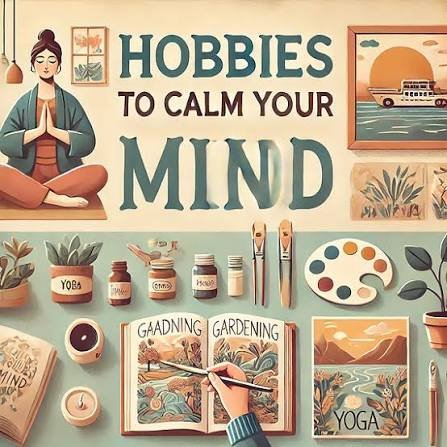
The 2025 scoping review identified social interaction and support as one of its three major themes. It reported that hobbies can help people connect, build relationships, and develop a sense of community.
This is important because the potential benefit of a hobby may come from more than the activity itself. A hobby can become an opportunity for conversation, shared interests, regular social contact, and a feeling of belonging.
Research on leisure activities published in 2026 also found that social and mindfulness activities showed stronger associations with mental health than some other activity domains in the study sample.
4. Hobbies & Stress Relief Findings Include Creative Activities
Creative hobbies have received attention in research because activities such as gardening, arts and crafts, and DIY may combine enjoyment with active engagement.
A study involving 3,725 U.S. adults during the COVID-19 pandemic found that increased time spent gardening was associated with reductions in depressive and anxiety symptoms and higher life satisfaction. More time spent doing woodwork, DIY, and arts and crafts was also associated with improved life satisfaction.
These results should be interpreted within their context. The study examined a specific period during the pandemic, so they do not establish that creative hobbies will produce identical effects for everyone today.
Still, the findings add an interesting dimension to Hobbies & Stress Relief Findings because they suggest that the type of leisure activity may matter.
5. Hobbies & Stress Relief Findings Show That Frequency May Matter
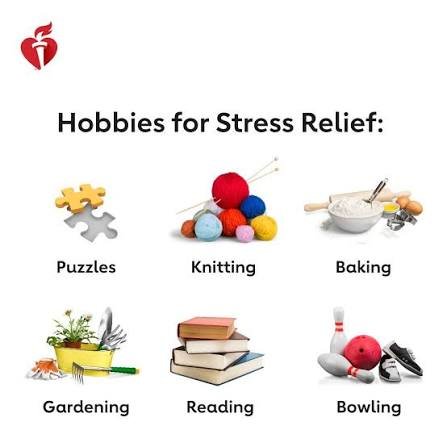
How often someone engages in leisure activities may be important. A 2026 study using data from 2,037 adults examined activity frequency and diversity across physical, social, cognitive, mindfulness, volunteer, and other activity categories. Overall activity frequency was positively associated with physical and mental health in the study.
Interestingly, the researchers did not find that simply having a greater variety of activities was associated with better health beyond frequency. This suggests that people do not necessarily need a huge list of hobbies to potentially benefit from leisure.
A single enjoyable activity practiced consistently may be more realistic than trying to maintain ten different hobbies.
6. Hobbies & Stress Relief Findings Include Cognitive Activities
Some hobbies engage attention, memory, problem-solving, or learning. Reading, word games, number games, and certain social games are examples of activities that can challenge the mind.
A six-year prospective study involving 19,821 middle-aged and older adults across 15 countries examined several mind-stimulating leisure activities. The researchers found that frequent reading was prospectively associated with several favorable outcomes, including lower depression risk, lower loneliness scores, and better wellbeing measures. Some serious solitary leisure activities were also associated with lower depression risk and greater feelings of energy.
These results do not mean every mentally demanding hobby will produce the same outcome. They do, however, show why cognitive hobbies are an important part of the research conversation.
7. Hobbies & Stress Relief Findings Relate to Life Satisfaction
Wellbeing is not only about avoiding stress or sadness. Researchers also examine positive outcomes such as life satisfaction and perceived health.
The large 16-country study found that hobby engagement was associated with higher life satisfaction, and the relationship remained present in longitudinal analyses.
Life satisfaction is a broad measure, so researchers cannot use it to say that a particular hobby will make every person happier. However, the finding supports the idea that enjoyable activities can be relevant when researchers study the wider concept of quality of life.
This makes Hobbies & Stress Relief Findings more than a discussion about temporary relaxation. Research is also examining how leisure fits into people’s broader sense of wellbeing.
8. Hobbies & Stress Relief Findings Suggest That Activity Type Matters
One of the most useful newer findings is that different leisure activities may not have identical relationships with health.
The 2026 leisure-activity study found that social and mindfulness activities were more strongly associated with mental health, while physical activities were more strongly associated with physical health. The researchers also found that some sedentary activities were inversely associated with physical health.
This suggests that the phrase “get a hobby” is too broad to explain the research. A hobby involving movement may have different effects from a quiet cognitive hobby, while a social hobby may provide benefits related to connection that a solitary activity does not provide.
Research Snapshot
| Research area | What studies have reported |
|---|---|
| Stress and anxiety | Hobbies have been associated with lower stress and anxiety in several studies |
| Happiness | Hobby engagement has been associated with higher reported happiness |
| Social connection | Group hobbies can support interaction and community |
| Creative activities | Gardening, DIY, and arts/crafts have shown associations with wellbeing in some research |
| Cognitive activities | Reading and other mind-stimulating activities have been linked with several favorable outcomes |
| Life satisfaction | Hobby engagement has been associated with higher life satisfaction |
| Activity frequency | More frequent leisure engagement has been associated with better self-reported health |
| Activity type | Different leisure categories may relate differently to mental and physical health |
Hobbies & Stress Relief Findings in Recent Research
The available research can be visualized as a broad pattern rather than as a ranking of individual hobbies.
Research themes connected with hobbies
Illustrative visualization of the major research themes discussed in recent studies. Values represent thematic emphasis in this article, not measured effect sizes or prevalence.0246
Stress / anxiety
Wellbeing
Social connection
Happiness
Life satisfaction
Cognitive wellbeing
The chart is intentionally illustrative rather than statistical. The published studies use different populations, methods, measurements, and outcomes, so their results should not be converted into one universal percentage or ranking.
Why Different Hobbies May Work Differently
Hobbies & Stress Relief Findings Depend on the Activity
A hobby can involve physical movement, social interaction, creativity, learning, mindfulness, or simple relaxation. Because of this, two hobbies may provide very different experiences.
A walking group, for example, combines movement with social connection. Reading can provide quiet concentration. Gardening can combine outdoor exposure, physical activity, and creativity. Playing a board game can involve cognitive stimulation and social interaction.
The 2026 leisure study specifically supports examining the type and frequency of leisure activities rather than treating every activity as identical.
Hobbies & Stress Relief Findings May Also Depend on Personal Preference
A hobby that one person finds relaxing may feel like work to someone else. Personal interest, skill level, available time, cost, social environment, and accessibility can all affect whether an activity is genuinely enjoyable.
This is one reason research findings should not be interpreted as saying that everyone needs the same hobby.
What Hobbies & Stress Relief Findings Do Not Prove
Research on hobbies is promising, but it has important limitations. Many studies examine associations between activities and health outcomes rather than conducting randomized trials where people are assigned to specific hobbies.
For example, people who already feel healthier may have more energy and motivation to participate in hobbies. Likewise, people experiencing stress or depression may reduce their leisure activities. This creates the possibility of reverse causation.
The large international hobby study used longitudinal analyses and adjusted for numerous factors, but observational research still cannot establish causation as strongly as a well-designed randomized intervention.
The 2025 scoping review also specifically concluded that additional research is needed across population groups.
Therefore, Hobbies & Stress Relief Findings should be viewed as evidence about potentially meaningful relationships, not as proof that hobbies are a treatment for mental-health conditions.
How to Choose a Hobby for Better Wellbeing
A useful hobby is usually one that you can realistically enjoy and continue. There is little value in choosing an activity simply because research has studied it if you personally dislike it.
Someone who enjoys quiet time might prefer reading, drawing, writing, gardening, or crafts. Someone who feels energized by people may enjoy a sports group, cooking class, book club, volunteering, or another social activity.
The 2026 research on leisure activities suggests that frequency and activity type are relevant, which supports choosing something that fits naturally into everyday life rather than treating a hobby as an occasional obligation.
Frequently Asked Questions About Hobbies & Stress Relief Findings
Do Hobbies & Stress Relief Findings Prove That Hobbies Reduce Stress?
Not completely. Research has found associations between hobby engagement and lower stress, anxiety, depression, and better wellbeing, but many studies are observational. More research is needed to establish direct cause and effect.
Which Hobbies Are Studied in Hobbies & Stress Relief Findings?
Research has examined activities including reading, gardening, arts and crafts, DIY, games, social activities, physical activities, mindfulness activities, and other forms of leisure.
Can a Hobby Improve Mental Wellbeing?
Research suggests hobby engagement is associated with several positive wellbeing outcomes, including happiness, life satisfaction, and fewer depressive symptoms in some populations. However, a hobby should not be considered a substitute for professional care when someone is experiencing a mental-health condition.
Does Someone Need Many Hobbies to Benefit?
Current research does not show that having a large number of different hobbies is necessarily better. A 2026 study found that activity frequency was associated with health, while activity diversity was not associated with additional health benefits beyond frequency in that analysis.
Conclusion
The latest Hobbies & Stress Relief Findings show why ordinary leisure activities deserve more attention in wellbeing research. Studies have connected hobby engagement with stress, anxiety, depression, happiness, social connection, life satisfaction, and perceived health, although the strength and direction of these relationships can vary by activity and population.
The biggest takeaway is not that one particular hobby is guaranteed to improve everyone’s wellbeing. Instead, research suggests that enjoyable and meaningful leisure activities can be an important part of a balanced lifestyle. Activities that encourage movement, creativity, learning, mindfulness, or social connection may offer different types of value.
As research continues, the more useful question may not be simply “Which hobby is best?” but rather “Which enjoyable activity fits this person’s interests, routine, and wellbeing needs?”